PRODUCT
The three characteristics of KaoLu are "Revolutionary innovation", "high quality and stability", and "diverse products and customized". We are the first professional manufacturer of I/P and E/P electro-pneumatic proportional regulator in Taiwan. In order to cater to the advent of the Industry 4.0 era, KaoLu has integrated electronics and pneumatics, and has continuously been developing intelligent pneumatic components. It is the first manufacturer in Taiwan to manufacture electronic proportional pressure regulator, electronic proportional flow control valve, electronic proportional pinch valves, pneumatic system components, and solenoid valve.
In terms of quality control, our core components are all from well-known and stable suppliers, and we perform 100% QC quality control on all incoming goods to ensure high product quality. KaoLu has passed ISO 13485 certification, and all products have passed CE and RoHS certifications. Testing instruments are regularly sent to third-party verification agencies for calibration every year. Such careful quality control is only to provide customers with genuine high-quality products.
If you have customized needs, please feel free to contact us. Software adjustments and mechanical changes can be discussed. Our products are of high quality, and professional customized services and after-sales services are your best choice.

Proportional Pressure Regulator
What is an Electronic Pressure Regulator?
In modern automated industrial and manufacturing settings, precise pressure control is essential for efficiency, safety, and performance. An electronic pressure regulator (EPR) uses sensors to measure real-time pressure, a microprocessor to process input signals and determine the required output, and a proportional valve to modulate flow and maintain the desired pressure. Unlike traditional mechanical regulators that rely on springs and diaphragms, the EPR enables accurate digital control, faster response, remote adjustability, integration with control systems, and reduced maintenance.
Proportional Electronic Pressure Regulator Working Principle
Our electronically controlled pressure regulator is a complete closed-loop servo system consisting of two solenoid valves, an internal pressure transducer, and electronic controls. Based on analog signals, the pressure is controlled by two solenoid valves to maintain precise pressure; one valve functions as inlet control, the other as exhaust. The pressure output is measured by an internal or an external feedback pressure transducer that provides a feedback signal to the electronic controls. Our product of electro pneumatic regulator features high speed, high pressure, and high resolution.
Selections of Electronic Regulators:
High Speed Proportional Regulator
QKL-HS series are 3-way electronic pressure regulators. It consists of proportional solenoid, pressure transducer, intelligent electronics, and a refined spool. It features high flow rate, extremely fast pressure switching time, high accuracy, and compatible with oxygen and hydrogen gas. Using the powerful in-house software, the control parameter can be customized that allows user to build unique pressure profile. It is available with analogue and digital command signal. HS series electronically controlled pressure regulator can be used in demanding environment and is compatible with oxygen, hydrogen, and helium gas.
FAQ session – Proportional Electronic/Digital Pressure Regulators
- What are the differences between Proportional Pressure Regulator, Electronic Pressure Regulator, Electro Pneumatic Pressure Regulator Electronic, I/P Converter, Digital Pressure Regulator, and air flow regulator with digital pressure gauge?
They are the same products with different names. - Where is the digital pressure regulators used? Digital pressure regulator is usually used for laser cutting, plastic blow molding machines, tension control equipment, tire making machines, etc.
- Is the pressure regulator resistant to dirt?
No, it is not resistant to dirt particles. Please use dry clean air and filter with < 5 μm. - Any restriction on mounting orientation?
Electronically controlled pressure regulator Arduino is especially designed to operate mechanics. There is no restriction on mounting orientation; however, please be aware to protect the regulator from environmental water drop, oil, and welding slag.
Knowledge Base
How Does a Proportional Pressure Regulator Work?
A Proportional Pressure Regulator has many advantages over mechanical manual regulators. A manual regulator will maintain pressure downstream, most effectively with constant upstream flow rates. However, upstream flow and pressure will often fluctuate in most applications. Pumps and compressors deliver pulses, and the pressure will fluctuate with demand. When a mechanical pressure regulator lacks accuracy or can’t respond fast enough, the result is uneven pressure output. This simple device might be good enough when accuracy isn’t as crucial. However, a digital pressure regulator delivers better accuracy and stable output pressure by utilizing a control signal and the feedback signal to create closed-loop pressure control.
Uses of Regulators
Electronic pressure regulators (electric air regulators) maintain a constant output pressure within a pressurized system even if there are fluctuations in the incoming pressure to the regulator. Mechanical pressure regulators are typically only adjustable by hand, limiting their usability in a digitalized process environment. When using an electronic gas pressure regulator with a digital control system, the precise output pressure is controllable via slight adjustments to the control signal. An internal pressure transducer creates a closed loop control device and offers a feedback voltage of the current output pressure. By reading this feedback signal from an electronic regulator, control systems can make real-time adjustments, greatly improving consistent pressure regulation in the most demanding applications.
The Working Process:
Electronic pressure regulators (automatic air pressure regulator) are a big improvement over manual regulators; they are simple and very effective at allowing better control. An electronic air regulator uses a fill valve and a vent valve to maintain the outlet pressure at the desired set-point. A small inner pressure sensor monitors the output pressure and the digital controller adjusts the flow output of the internal valves to retain the required set-point (i.e. closed-loop control). That means that when you set the desired pressure, the regulator(pressure regulator digital) will maintain this pressure even with changing flow rates through the system. The internal pressure transducer gives immediate feedback to adjust the flow of either the fill or vent valve so the output pressure remains static.
When the control signal increases, the internal proportional pressure control valve activates, increasing pressure into an internal pilot chamber. When this happens, more of the inlet pressure passes through the proportional fill valve and into the pilot chamber. The pressure in the pilot chamber grows and causes the upper surface of the diaphragm to operate. Because of this, the air supply valve linked to the diaphragm opens, and a portion of the supply pressure becomes output pressure. This output pressure goes back to the control circuit using the pressure sensor. The fill valve will continue to slightly adjust until the output pressure is equivalent to the desired set-point of the control signal.
Please check our video on: Kao Lu YouTube channel
How Proportional Pressure Regulators Improve Laser Cutting Accuracy?
In laser cutting, maintaining consistent assist-gas pressure is crucial for clean, burr-free cuts and stable kerf width. Traditional mechanical regulators struggle with rapid changes in cutting conditions. In contrast, proportional pressure regulators respond in real time to input signals from CNC controllers, integrate closed-loop feedback sensors, and adjust gas pressure dynamically—delivering tighter control (±0.1% accuracy), optimized gas consumption, better repeatability, faster process setup, and improved edge quality.
Top 5 Applications for Proportional Air Pressure Control
Proportional air pressure control plays a vital role across several industries by allowing smooth, precise adjustment of air pressure rather than simple on/off regulation. The top five applications highlighted are:
- Industrial Automation & Robotics — Enables smooth gripping, adaptive pressure for varying loads, and reduces wear-on pneumatic systems.
- Medical & Laboratory Equipment — Ensures consistent pressure in devices like ventilators and surgical tools, supports clean air control and compliance with medical standards.
- Automotive Manufacturing & Testing — Used for exact tire inflation, leak-testing, and consistent paint spraying, improving efficiency and reducing waste.
- Packaging & Material Handling — Controls sealing pressure, adjusts gripping force for delicate items, and maintains stable pressure in filling machines across food/beverage, pharma, and logistics applications.
- Semiconductor & Electronics Manufacturing — Provides ultra-clean, stable air pressure for wafer handling, laser etching, and PCB assembly, thereby minimizing defects and boosting yields.
Product Description
The low flow electronic pressure regulator (electric air pressure regulator) is suitable for industries that require precise pressure changes at any time and monitor pressure values. Moreover, the electronically controlled pressure regulator price of B3-1A is economical to this extent that the user can afford it with no hassle. Similar goes for electronic gas regulators; it's a digital air regulator that possesses the ability to resist massive quality air pressure. Over and above, the electronic pressure regulator (electronic proportional air regulator) Arduino is an open-source electronics platform that is especially designed to make electronic machinery more accessible in this digital era. The digital air pressure regulator facilitates the users with the digital reading of the present output pressure value. Another useful feature is an air flow regulator with digital pressure gauge that allows users to measure the quantity of the pressure allotted to the mechanical device for its operation.
Available with 3 selections of input signal: 0-10VDc, 4-20mA, or RS485 Modbus. Monitor signals can be chosen from 1-5V, 0-10V, or 4-20mA. Our special design offers high pressure and high flow capability electronic air pressure regulators in unibody design.
For applications that require a high pneumatic flow rate, we offer the option of an air pilot volume booster to amplify downstream flow. For applications that require an external pressure transducer, there is also an option to link our pressure regulators to external sensors for closed-loop control. All our electronic pneumatic regulator have CE, SGS, RoHS certification with ISO13485 quality system. Applications: Laser cutting, leak tester, tension control, PET bottle molding machine, multi-stage pressure control, etc.
Applications for Electronic Pressure Regulators
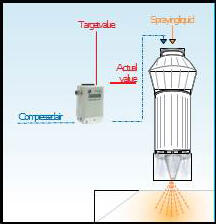
Spraying/ Painting
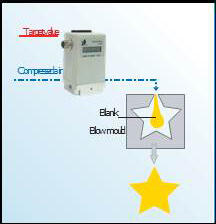
Air Blowing
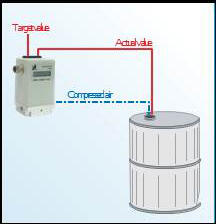
Leak Testing
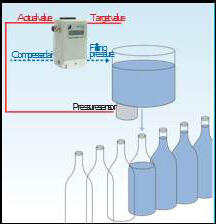
Filling Pressure
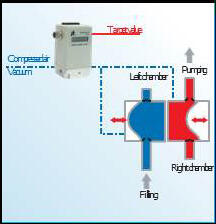
Artificial Heart
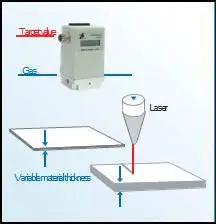
Laser Cutting
Related Applications & News
Proportional Flow Control Valve
Proportional Flow Control Valve
- Proportional solenoid valve:
The proportional control solenoid valve converts the input current signal into a mechanical signal output, and then controls the flow. This type of proportional valve has fast response time, compact in size, and is suitable for installation on manifolds. Available flow ranges are 0-32L/min, 0-140L/min, 0-300L/min. KLPV series electronic proportional flow control valve can be tuned with PWM by varing duty cycle. Please consult us for applicable PWM and voltage.
- Stepper-controlled proportional valve for air and liquid:
KaoLu stepper-motor driven proportional valves control flow ranging from 0 to 20 LPM, 120 LPM, 300 LPM and up to 1000 LPM. Our stepper-motor driven proportional valves are ideal for controlling a variety of media such as water, gas, oil, etc. KaoLu stepper-motor driven flow proportional valves also have the advantages of low hysteresis (<2%) and high resolution (20ml/min). The FC series electronic water flow control valve and electronic air flow control valve can both control the flow rate of different fluid type. Please consult us for suitable model with pressure and flow rate information.
Product Description
Proportional Flow Control Valve Applications
This type of valve is widely used in industrial applications. The proportional flow control valve pneumatic has a wide application in manufacturing industries like gas-control welding equipment, laser machines, gas mixing, painting/spray equipment, semiconductor equipment, analytical equipment. Moreover, a huge use of air flow control valve can be observed in medical tools such as anesthesia equipment, nebulizer, respiration measurement, ventilation equipment, etc.
Introducing latest Stepper-Controlled Proportional Flow Control Valve
What is a Stepper Motor?
Stepper motors are brushless DC motors that rotate in steps electronically set by a controller or drive. Stepper motors are ideal for applications that require speed and precise position control, especially at low speeds such as in automation, motion systems, and 3D printers. Due to their internal design which minimizes mechanical and electrical "delays" that occur in other motors, stepper motors have remarkable stopping accuracy and responsiveness. Often, this makes stepper motors an ideal choice for synchronous and high precision operations.
Energizing the coils of a stepper motor in the right sequence to achieve a single step is a complex task. KaoLu provides a PM series stepper motor controller that allows you to solve this task. There are two types of stepper motor drives—constant voltage (L/R drive) and constant current (chopper drive). If you're interested in learning more, please refer to our News section.
Drivers simplify the operation of a stepper motor by interpreting a digital step and direction signal from a controller and energizing the motor coils accordingly. All electronics are governed by Ohm's Law and the relationship between current rise and inductance. With stepper motors, the motor's design (in regard to its coils) prevents current from increasing quickly during pulses (command signals), which means the current can never reach its peak value without very high voltage. This is a problem because without sufficient current, the torque will be low, especially at high motor speeds. To combat this, chopper drives perform what is known as Pulse Width Modulation (PWM).
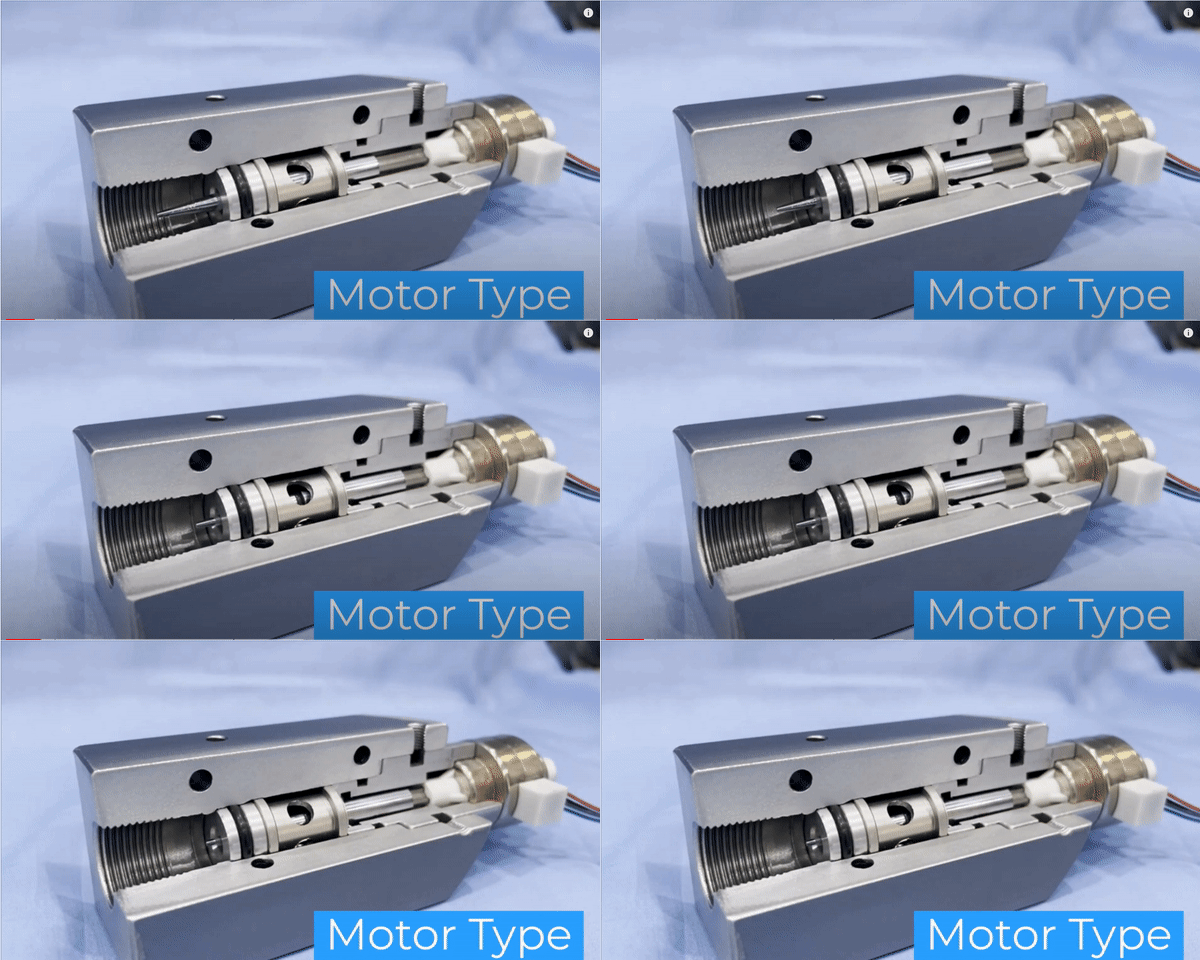
KaoLu's FC series proportional control valve utilizes an ultra fine thread, which is smooth, proportional, accurate, and stays in the position with high torque.
Now, couple that with a stepper motor that gives you precision, speed, and is ultimately automated with any bipolar chopper drive you wish to use.
Anywhere there is a needle valve that is controlling the flow of gas, can now be remotely located, automated, monitored and automatically adjusted to meet whatever demand you have in your application. Four of the main advantages of this our proportional flow control valve; System Integration, Very Low Hysteresis, Low Power consumption, & Specific Flow Curve capabilities exceeding 1000 LPM. Please visit our video for a demo: Kao Lu YouTube channel
Related Applications & News
Pinch Valve
Pinch Valve Applications
Solenoid pinch valves are used to open or close the flow path of the pinched silicon tube. The main body of a pinch valve is not in direct contact with the gas or the liquid, and only the inside of the tube will have direct contact with the liquid and gas fluid flowing through. Therefore, the pinch valve is not in direct contact with the fluid and is suitable for flow control devices on medical equipment, lab analyzers, food manufacturing equipment, and chemical manufacturing equipment.
What is a Pinch Valve?
A pinch valve is a type of valve that opens or closes a fluid path without having the valve body in contact with the flowing medium. As the name suggested the control of fluid path relies on the pinch force on the elastic tubing, such as silicon, PU or others. The main advantage of using a solenoid pinch valve over a gate valve or a piston valve is that the valve body does not have contact with aggressive flowing media, thus the life time, and in sanitary aspect, is much higher. Many types of pinch valve exist in the market, and in this article, we will be introducing three types of pinch valves that KaoLu offer, followed by the advantage and disadvantage of pinch valves, and conclude with what you should consider before making a decision on which pinch valve suits you the best.
What type of Pinch Valve does KaoLu offer?
KaoLu is one of the biggest pinch valve manufacturers and supplies three types of high-quality pinch valves that can be used for high-precision sterile flow control: proportional pinch valves, pneumatic cylinder pinch valves, and miniature solenoid pinch valves. KaoLu solenoid pinch valves have the advantages of strong clamping force, low power consumption, high stability, durability, precise flow control, and fast loading and unloading. Please click on suitable product below for further information.
Product Description
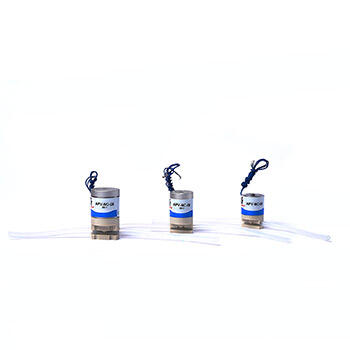
Electronic Pinch Valve (APV Series)
It is a type of solenoid-operated pinch valve. Once the solenoid coil gets energized, the plunger will either get retracted (in a Normally Closed position) or attracted (in a Normally Opened position). With the electronic pinch valve, the plastic tube should have low durometer (such as soft silicon tubing), and the inner tube pressure should not exceed 30 psi. One advantage is that it is compact and low power consumption. 7.2W for our APV-08 version.
Pneumatic Pinch Valve
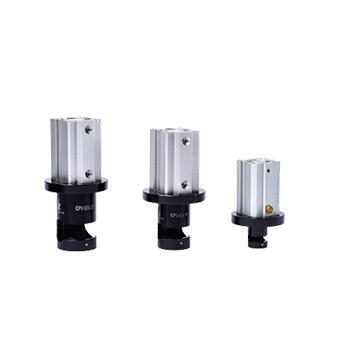
As the name suggests, the plunger that acts to either open or pinch (close) the flexible plastic tube is actuated by pneumatic pressure. The system should provide a pneumatic source in order to use this type of valve. No electric is required and we offer both N.O. or N.C version. The advantage is that it offers higher pinch force, thus the compatible tube can be higher durometer, such as silicon braided tube, or durometer up to 85 Shore A, or even high inner tube pressure.
Proportional Pinch Valve
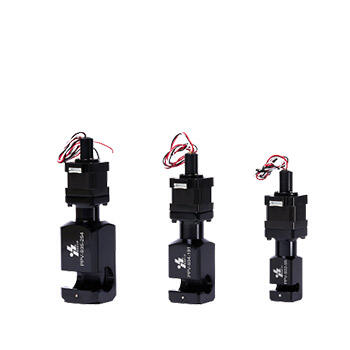
A Proportional Pinch Valve utilized a linear stepper motor to position the plunger to an extent proportional to the amount of input electric signal. An external controller is required to provide electric signal to the stepper motor and thus actuates the movement. For example, with a 0-10V control signal, giving a 5V signal will position the plunger half-way in between the tube slot. The targeted position is extremely repeatable and precise due to the stepper motor characteristics. This type of valve is used to control the inline flow rate or regulate the inline pressure without getting in contact with the flow medium.
What are advantage and disadvantage of a Pinch Valve?
Advantages
- The media can be abrasive and corrosive
- No pressure drop due to straight flow path and no clogging by the media
- A straight flow path minimizes turbulence and friction
- Keeps media free from cross-contamination
- Easy replacement of the plastic tube
- Quick opening and closing time
- Low energy consumption
Disadvantages
- Due to elastomeric property of the plastic tube, the valve is not suitable for high temperature application.
- Difficult to know when the plastic tube will be torn apart by the plunger; however, depends on the frequency of usage, the plastic tube should be replaced frequently.
What should you consider when purchasing a Pinch Valve?
- Tube material, tube durometer, inner tube pressure
- ON/OFF or Proportional
- Control Control source
As a starting point, the tube characteristics are an important factor to consider when a pinch valve is suitable for you. Sometimes the durometer of the tube is just in between suitable or not, thus it is necessary to provide a sample for testing. An important fact to bear in mind is that the tube needs to be flexible, so that the tube could return to its original form when the plunger does not squeeze it, thus allowing fluid to pass through. Additionally, if the tube pressure is too high, this will have a similar effect as a hard tubing which may be difficult to "pinch".
Secondly, should you believe the tube is suitable, what type of control method would you want to achieve. Would a on/off function meet your requirements? Or a proportional control of flow rate or pressure suits your system.
The third point is the control source. With an electronic pinch valve and a proportional pinch valve, an external electric supply is required. With an electronic pinch valve, a 24V or up to 7W of electric is need to activate the valve, whereas a proportional pinch valve require a 24VDc power supply to the driver, and then input analogue or digital signal to control the movement of the pinch valve. As for pneumatic pinch valve, the system is required to provide an external pneumatic source to control the opening or closure of the valve.
Very finally, please remember to check our youtube channel to understand more about pinch valve in action.Kao Lu YouTube channel
Learn More About Pinch Valves
Air Treatment Unit
Air pressure regulating valve series includes US ControlAir precision regulator series and Italian ID-Insert Deal srl high pressure regulator. And provide a variety of different product specifications to meet the different needs of the market. Welcome to the Kao Lu air conditioning agent contact information.
Solenoid Valve
Solenoid valve types include vacuum solenoid valve, 2/2-way and 3/2-way solenoid valve, 5/2-way and 5/3-way solenoid valve, ISO solenoid valve, low-power solenoid valve, etc. The body of the two-port two-position solenoid valve is made of brass and stainless steel, which can withstand high (low) temperature and high pressure.
The maximum operating pressure of our solenoid valve is 360 bar, and various selection is available.
We provide solenoid valves for general purpose, general air pressure, automation, vacuum, etc. To gain the trust of customers with high quality and reasonable price, please contact us for more relevant information.
Vacuum
Kao Lu vacuum series includes a vacuum solenoid valve and vacuum pneumatic valves, please contact us for more information.
Related Applications
Fittings
Our fittings encompass a wide range of materials, including copper, stainless steel, plastic, PPSU high-temperature resistant, PVDF corrosion-resistant, and various functional fittings, suitable for applications across various industries. We are also the exclusive distributor of C.matic, a top-quality Italian brand specializing solely in metal fittings, offering a broader range of applications and a more complete product line. We also offer stainless steel throttle valves, check valves, and more. Inquiries are welcome!
Medical Biotechnology Valve (Medical)
Valves for medical/biotechnology application include solenoid valves for running fluid, fittings, proportional flow control valves, various sensors... and other products.
Various solenoid valves have the characteristics of fast response time, low power consumption, miniature design and long life time. There are various solenoid valves for oxygen, analytical equipment and are corrosion resistant.
The solenoid valve for fluid uses a separate membrane to minimize the uncontrollable interval and is not easy to be contaminated. Fittings series are made of PPSU high temperature resistant material, PVDF corrosion resistant material, stainless steel material... etc., all comply with FDA regulations and are very suitable for food, chemical industry,and medical equipment industry...and other fields.
In addition, there are various sensors used in medical equipment, such asnon-invasive flow sensors, single-point liquid level sensors, air bubble sensors, metal pipe air sensor, etc. Welcome to inquire or contact us.
Related Applications
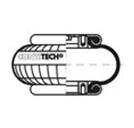
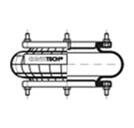
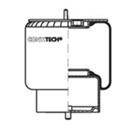
Contitech Air Springs
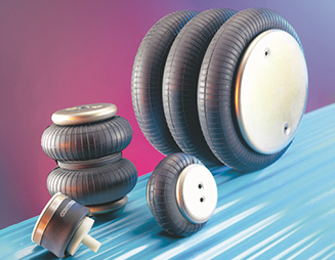
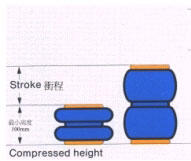
German horse brand is the world's first air spring rubber industry not once in the tire and rubber, all rubber material comes from French production deployment, and full gas wall material are for stress test, over the use of his brand of life and stability.
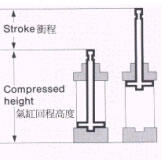
- When used as a cylinder, is small; when the machine is especially suitable mounting space is limited.
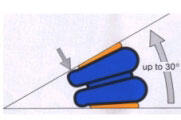
- With a 30 ° tilt function, so that a simplified machine structure and reduce costs.
- For vibration isolation, high efficiency, up to 90%.
- When the cylinder can be used for lifting, pinching, pressing.
- Can be used as foot shock, shock absorbers make the machine.
Application
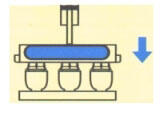
Cooperation with the cylinder and the gas spring elastic package flap
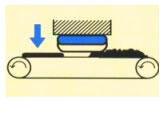
Water drained water of the workpiece
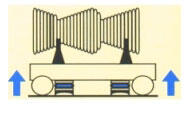
Shock-absorbing heavy machinery
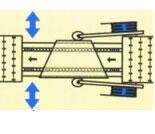
Cylinder instead of a small space hostage
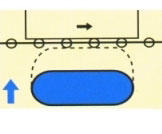
Wheel brake, stopping the flow so that the object
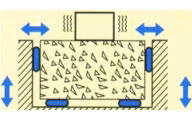
Shock device precision machinery equipment